Different Missions. The Same Need to Understand in Time.
Global Threat Intel technologies are intended for environments where multiple changing conditions must be converted into operational understanding. We organize these opportunities by the mission that must be protected, not simply by the type of sensor, software, or data involved.
Some applications are mature today, particularly cybersecurity through Streaming Defense™. Others represent broader Signal Fabric™ opportunities in which GTI can work with mission owners, systems integrators, data providers, and research partners to develop or prototype new operational capabilities.
Where these missions run


Cyber defense and continuous network awareness
Streaming Defense provides GTI’s most mature mission application: real-time network detection and response. It helps organizations observe network interactions, recognize anomalous or malicious behavior, enrich activity with threat and operational context, investigate what happened, and support containment or other authorized actions.
Relevant mission problems include ransomware staging, lateral movement, credential misuse, command-and-control behavior, suspicious DNS activity, data exfiltration, risky third-party connections, encrypted communications, obsolete or unsafe protocols, and traffic patterns that other tools may not surface quickly enough.
Critical infrastructure and utilities
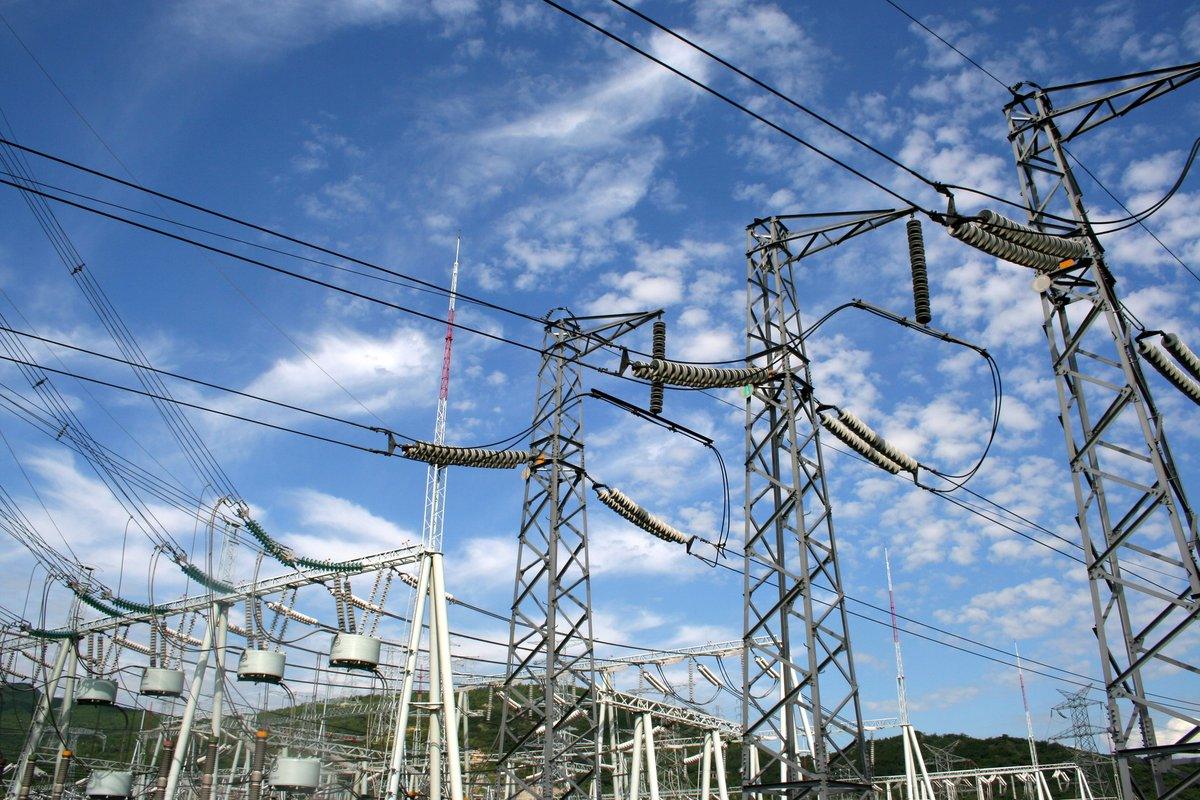
Critical infrastructure operators must protect both cyber systems and the operational conditions that keep essential services running. Power, water, communications, fuel, field crews, equipment, weather, suppliers, remote access, industrial controls, and external dependencies can all influence continuity.
GTI’s combined cyber and Signal Fabric capabilities can support use cases such as:
Continuous network and OT visibility without endpoint agents on legacy assets.
Correlation of cyber conditions with equipment, communications, weather, supply, or restoration status.
Detection of unauthorized remote access, unusual industrial communications, or suspicious network behavior.
Mission-assurance dashboards built around service continuity rather than disconnected tool status.
Evidence-based Health Checks before interconnections, major changes, insurance renewals, or critical operating periods.
Transportation, logistics, ports, and movement systems
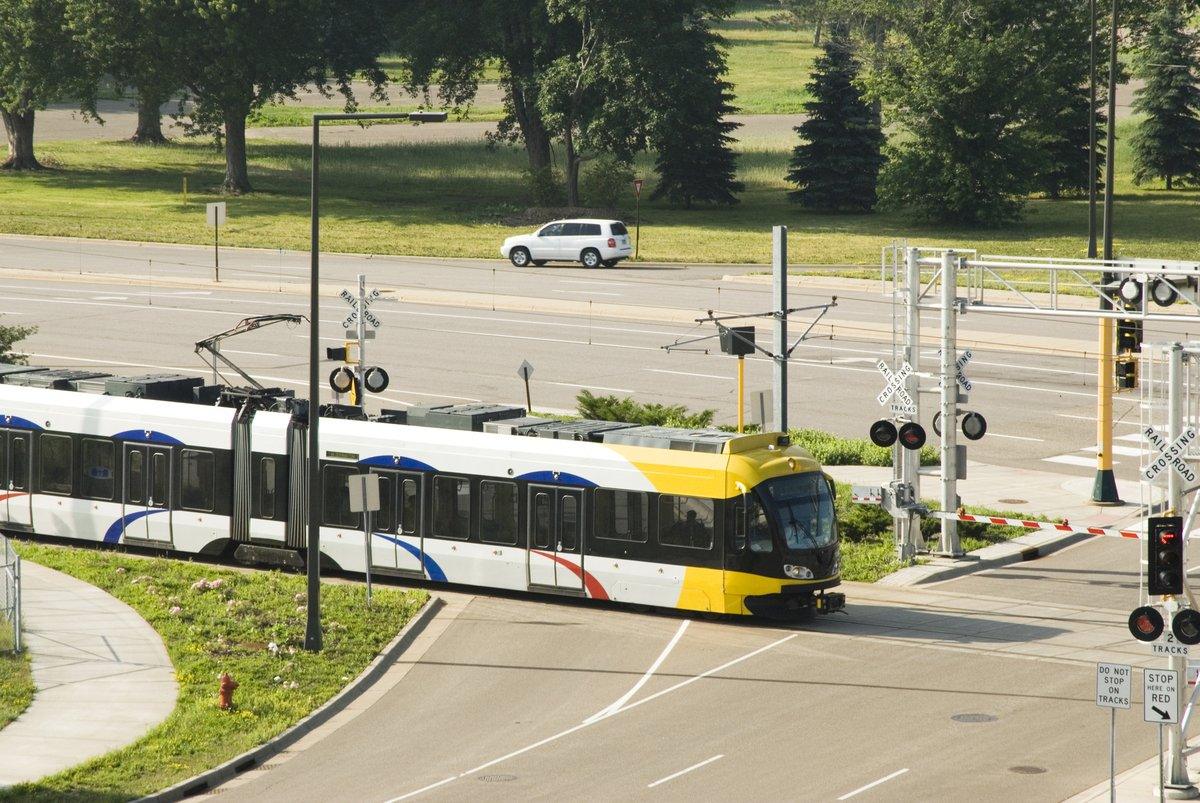
Transportation missions depend on complex interaction among vehicles, infrastructure, people, schedules, weather, cargo, communications, maintenance, security, fuel, and external authorities. A delay or failure in one part of the system can cascade rapidly across the rest.
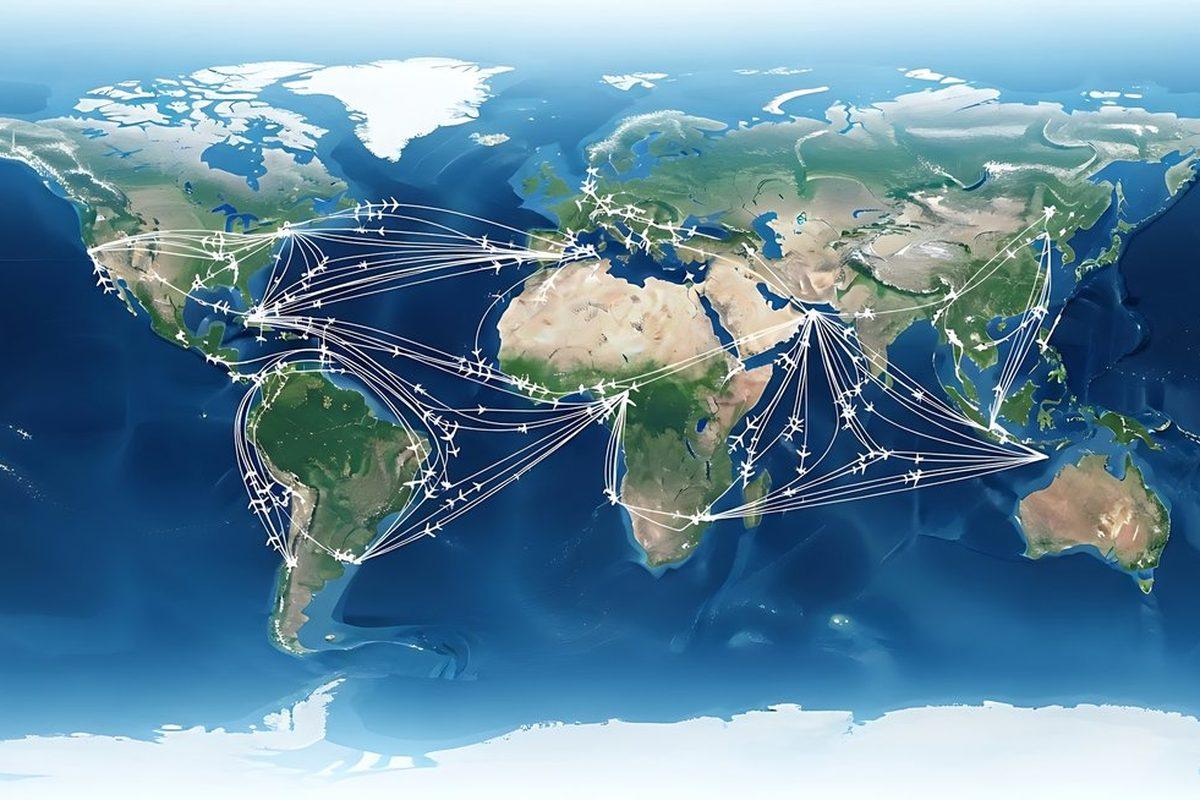
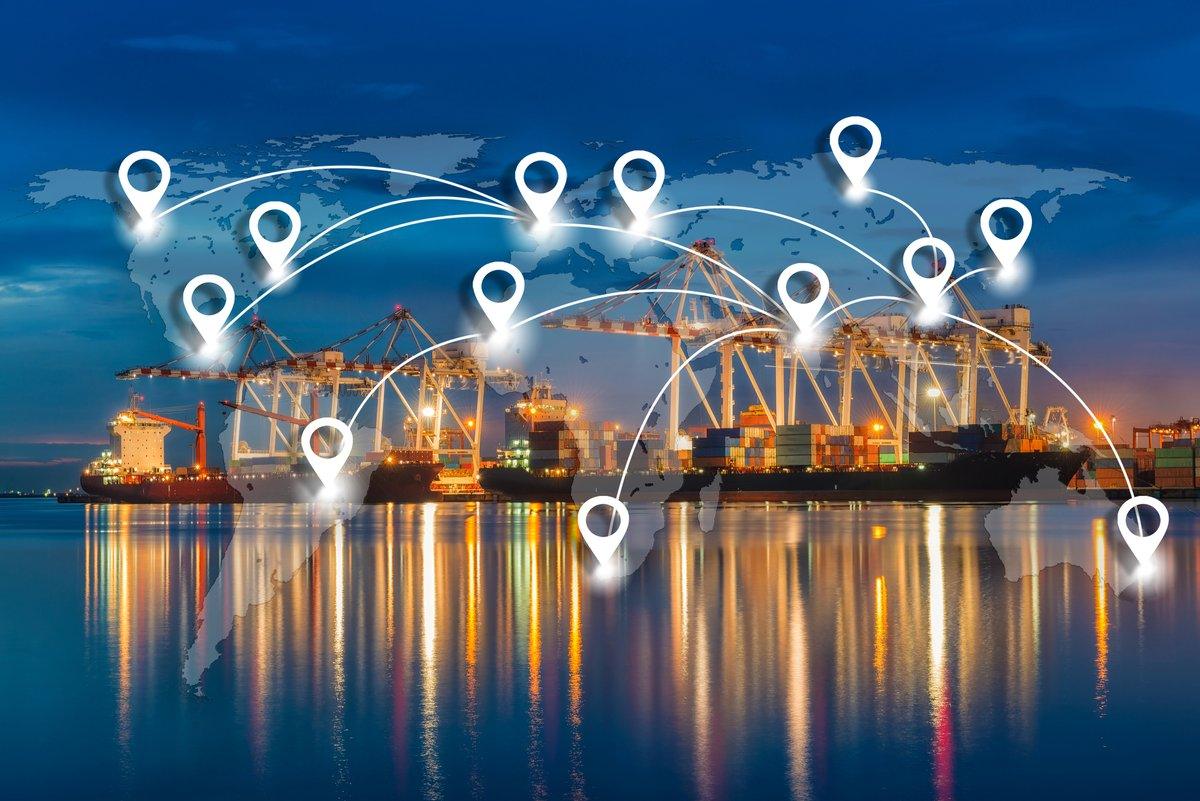
Signal Fabric creates an opportunity to correlate signals across aviation, airports, maritime operations, ports, rail, trucking, road networks, logistics hubs, customs and entry points, fleet operations, and intermodal supply chains. Potential applications include early warning of converging disruptions, route or capacity risk, asset readiness, cyber/physical anomalies, cargo exceptions, infrastructure constraints, and cross-agency coordination.
Operational technology, ICS, and industrial environments
Industrial environments often prioritize uptime, safety, stability, and equipment life over the rapid patch-and-replace cycles common in enterprise IT. They may include legacy controllers, proprietary protocols, remote sites, third-party maintenance access, and systems that cannot tolerate endpoint agents or intrusive scanning.
Streaming Defense’s agentless network approach is relevant to these environments because it can observe communications without installing software on every device. GTI’s OT source materials address ICS, SCADA, PLCs, IT/OT convergence, protocol behavior, ransomware, supply-chain access, and anomalous industrial communications. Signal Fabric broadens the opportunity by allowing cyber observations to be correlated with operational process and mission data where authorized.
Mission assurance and continuity of operations
Mission assurance asks a different question from traditional cybersecurity: can the organization continue its essential function despite disruption? That requires visibility into the dependencies outside the cybersecurity team’s direct control.
Potential signals may include electric power, communications, fuel, transportation access, staffing, facilities, suppliers, weather, operational technology, cyber conditions, inventory, external services, and recovery resources. GTI’s value proposition is to help mission owners recognize when several conditions are beginning to converge before the mission experiences the full consequence.
Emergency cyber response and rapid verification
Organizations do not always need to begin with a large technology acquisition. When leadership wants to know what the network is actually doing, GTI technology can also be delivered through Emergency Cyber Response as a rapid, non-invasive Health Check or Proof of Value.
The current Health Check model uses mirrored network traffic and a 35-day observation period so organizations can see important activity quickly while also remaining connected long enough to identify periodic, latent, or dormant communications that a short assessment could miss.
Learn more: Emergency Cyber Response
Supply chain and third-party risk
Organizations increasingly depend on vendors, cloud providers, maintenance contractors, software suppliers, logistics partners, and remote support organizations. The security question is not only whether the third party has passed an assessment; it is what the connected ecosystem is actually doing now.
GTI technologies can support continuous visibility into third-party communications, unexpected destinations, unusual access patterns, network changes, and other observable behaviors. In a broader Signal Fabric implementation, cyber observations can also be related to supplier, logistics, availability, maintenance, or mission-dependency signals.
AI agents and autonomous decision support
Agentic AI introduces a new infrastructure requirement: reliable live signals that models can consume without rebuilding an operational data pipeline inside every prompt or application. Signal Fabric is designed to provide typed, contextual, provenance-aware inputs and task-oriented signal packages that can improve how agents discover information, test hypotheses, make recommendations, and support predictive operations.

Defense, government, and public-sector missions
Government organizations frequently operate mixed environments that combine legacy infrastructure, cloud services, restricted networks, contractors, critical facilities, mission partners, regulated data, and procurement constraints. GTI can participate as a technology provider, subcontractor, teaming partner, research collaborator, demonstration participant, or mission-solution component depending on the requirement.
A mission does not need to fit an existing product box
Some of the strongest Signal Fabric opportunities begin with a problem statement rather than a product requirement. GTI encourages mission owners to start with the outcome: what must continue, what decisions are too slow today, what information is fragmented, and what conditions would be valuable to see earlier.